DID YOU KNOW THAT DESPITE BERKSHIRE’S SMALL SIZE IT WAS THE FIRST COUNTY IN THE UK TO HOST TWO SUCCESSFUL LGBT+ RUGBY CLUBS
To celebrate LGBT+ History month Berkshire RFU are showing our support to this annual festival by celebrating the contributions of all those who identify as LGBT+ and their allies, who have contributed to the county of Berkshire Rugby.
In the UK around 6% of the population identify as LGBT+ and as such, there have always been LGBT+ rugby players. Similar to other high profile sports, their visibility has been fairly low and reflects the low profile of LGBT+ representation in sport. Rugby’s core values of Teamwork, Respect, Enjoyment, Discipline and Sportsmanship have not always been the experience of LGBT+ people. Although modern rugby revolves around fair play, comradery, discipline and most of, all equality, due to its physicality, rugby is regarded as a “manly” sport. This makes it more difficult for gay players to publicly acknowledge their preference. In recent years many high profile sportsmen and women have come out and given much greater visibility to people who identify as LGBT+ and many non-LGBT+ people have emerged as allies, supporting and encouraging greater participation from marginalised groups.
Today, there are many great professional rugby players and personalities. These players have become a beacon of light, acting as role models and inspiration having overcome stereotypes, stigma and other challenges faced by LGBT+ athletes. At the same time, there are many misconceptions about this beautiful sport, which has led to the marginalisation and targeting of LGBT+ players. Some high-profile stars like Israel Folau have recently made headlines due to potentially homophobic posts on social media. Closer to home the RFU has been involved in a furore around the inclusion of transgender and non-binary players in the sport. These incidents highlight why it is so important that as a rugby community we understand the history and challenges that LGBT+ players face and there is no better time to do that than LGBT+ History Month.
LGBT+ RUGBY TRAILBLAZERS
The very first high-profile rugby player to ever come out to the public as gay is former Australian international Ian Roberts. A second-row forward, Roberts was born in London in 1965 and moved to Australia two years later where he would become one of the most respected rugby league players in the country’s history. Like many high profile athletes, Roberts waited until the end of his career to acknowledge his sexual orientation, coming out in 1995. Even though Ian Roberts may have been the first high-profile player to openly admit being gay, Keegan Hirst was the first to ever do it while still active. Coming out in 2015, he played for Wakefield Trinity in the Super League and spent time on loan from Wakefield at Dewsbury and Halifax in the second tier.
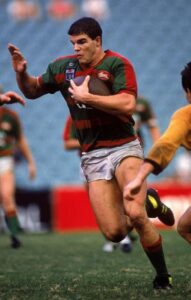
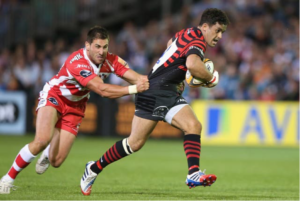
The first England Rugby Union player to come out was former Saracen’s full-back and England World Rugby Sevens player, Sam Stanley in August 2015.
It is not just men who have been trailblazers in rugby, many prominent female players have also raised the profile the of LGBT+ people both on the pitch and off it. Former Black Fern and Silver Fern Louisa Wall has since become a prominent politician in New Zealand and was the driving force behind the legalisation of same-sex marriage in that country, remarking that passing the bill felt like winning the Rugby World Cup. Canadian rugby Sevens player Jen Kish competed in the 2010 Women’s Rugby World Cup and won a bronze medal in the 2016 Rio de Janeiro Summer Olympics. Jillion Potter captained the 2016 USA Olympic rugby team and Phaidra Knight, a former USA flanker, was inducted to the Rugby Hall of Fame in 2017.
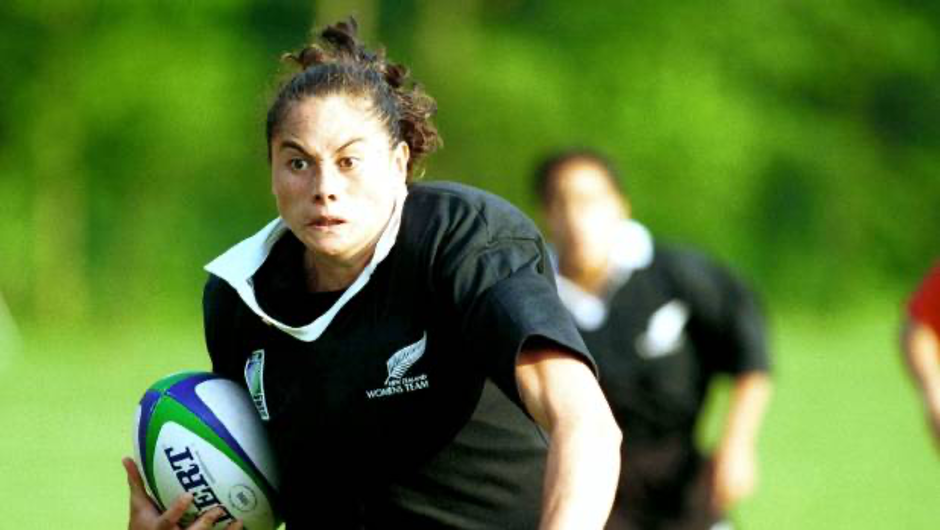
Fern Louisa Wall 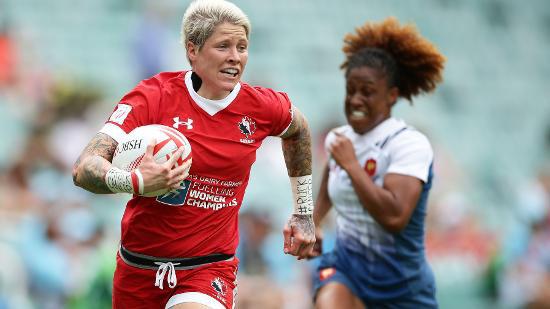
Jen Kish
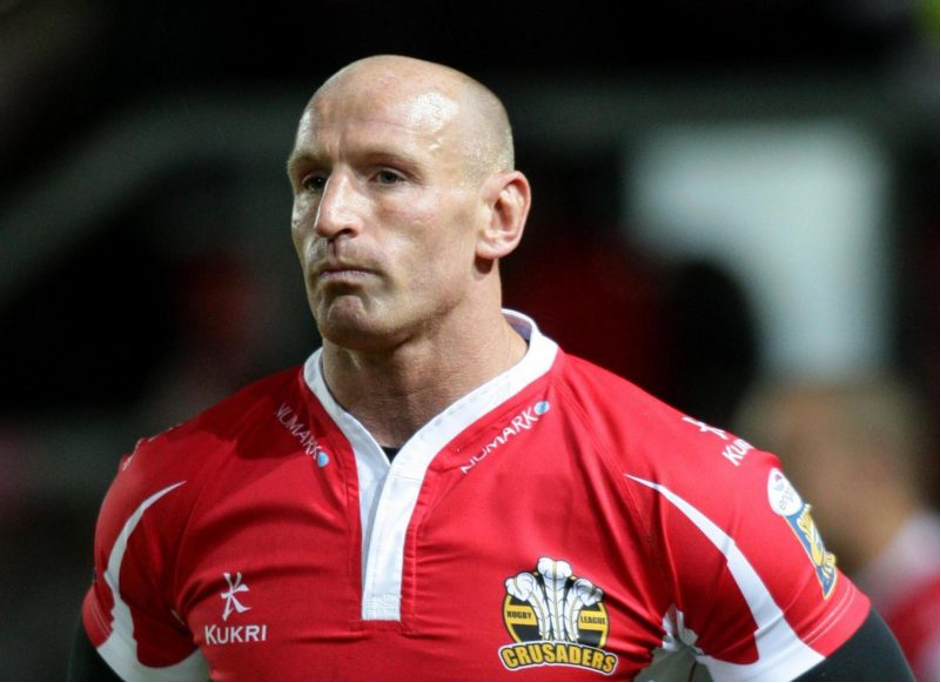
No list of trailblazers could be complete without the Welsh twosome of Gareth Thomas and Nigel Owens. Gareth Thomas is considered one of the greats having not only played but captained the Welsh international side as well as the British and Irish Lions during his career. Thomas publicly came out in 2009 and has since described his experience as a secretly gay player, revealing how the social pressure and stereotypes pose a significant challenge for many athletes today. These challenges were highlighted in the reaction to his making light of the infamous ‘crotch grab’ involving Joe Marler and Alun Wyn-Jones in the 2020 Six Nations. In 2019 Thomas announced that he was living with HIV, hoping to end the stigma, becoming an advocate for testing and demonstrating that people with HIV can live a perfectly normal and healthy life under treatment.
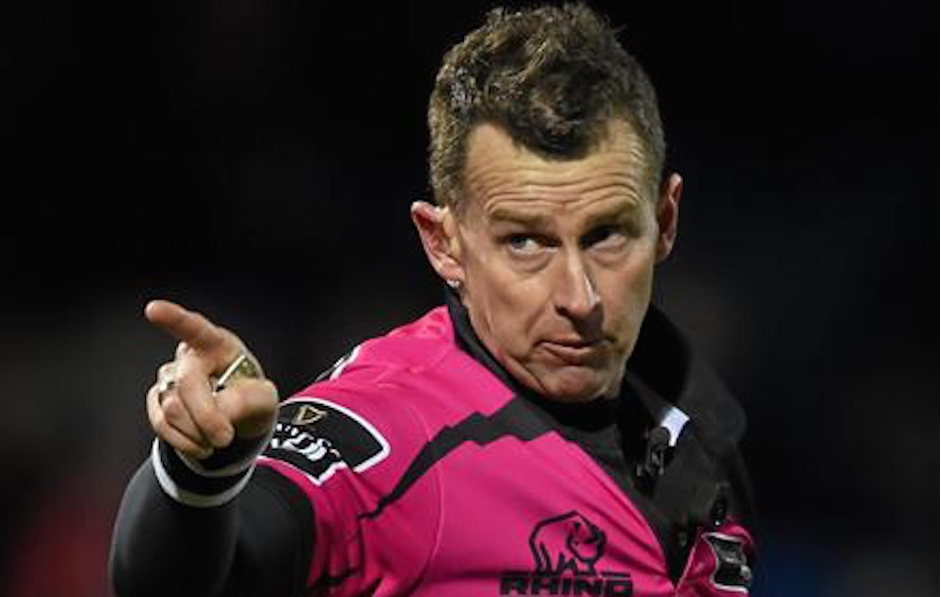
All fans, players, and anyone who knows anything about rugby will know the name, Nigel Owens. He currently holds the world record for the most test matches refereed and has been an amazing advocate not just for LGBT+ people in rugby but all ages and abilities, donating his time to referee amateur matches and offering shirts to auction for charity games and grassroots clubs. The Welshman is also a TV personality and a devoted activist for the LGBT cause, winning “Gay Sports Personality of the Decade” at the Stonewall awards ceremony in London in 2015.
MARK BINGHAM
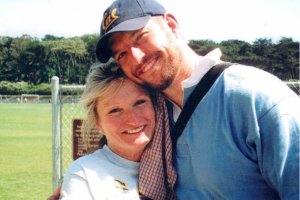
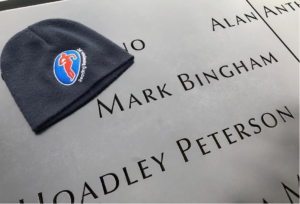
No history of LGBT+ rugby could be complete without the addition of Mark Bingham for whom Inclusive Rugby’s global tournament is named. Bingham was a player for the San Francisco fog playing at Number 8 and a huge fan of teaching and singing traditional rugby songs. Finding himself spending more time in New York he planned to form the first Inclusive Rugby club in the city the Gotham Knights, however that was not to be. On September 11th 2001 Bingham boarded flight United 93 which was hijacked during the 9/11 terrorist attacks. Learning of the attack on the WTC (World Trade Centre) and Pentagon, Bingham along with fellow passengers Todd Beamer, Tom Burnett and Jeremy Glick resolved to retake the plane. Unfortunately, their attempt resulted in the plane being crashed into the ground by the terrorists killing everyone on board. Bingham has been widely honoured posthumously for having smashed the gay stereotype and in 2002 the biennial Mark Kendall Bingham Memorial Tournament was set up in his honour.
DEVELOPMENT OF LGBT+ RUGBY
In England, The Kings Cross Steelers were founded as the first ever gay inclusive rugby union club in 1995. The founding of the club sparked the beginning of a much larger gay inclusive rugby movement which to date includes over 60 gay inclusive rugby clubs across the world. Although the Steelers are the official first club there were other LGBT+ clubs which pre-dated their formation. South Africa’s Jamieson Raiders and Australia’s Sydney POOFTAS were both formed in 1985, but the former were an annual invitational team and the latter a touch team. In 1998 the Manchester Village Spartans were formed with support from both the Steelers and England Rugby. These teams would play the first ever competitive union code match in August 1999. In 2000 the International Gay Rugby organisation was founded and has since grown to over 70 clubs around the world.

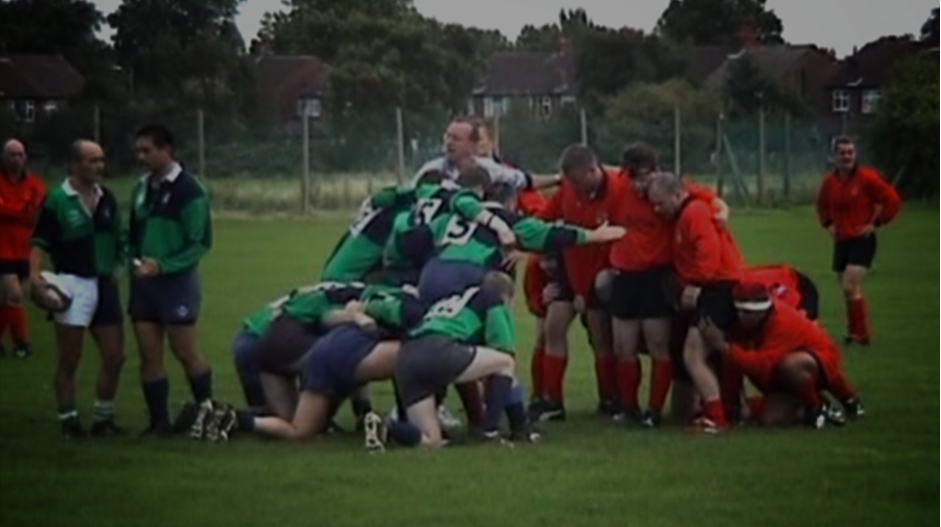
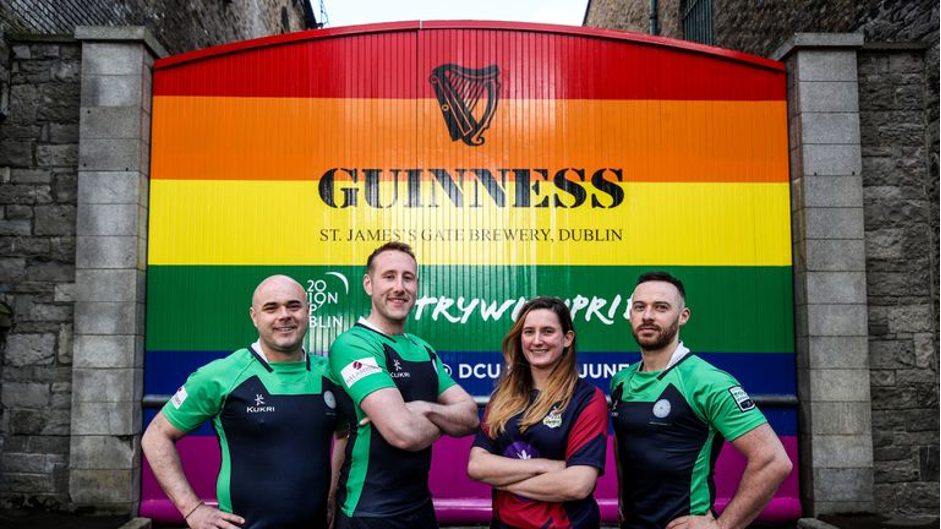
Scotland’s first club Caledonian Thebans was founded in 2002, Wales joined the home nations with the founding of the Cardiff Lions in 2004 and although Ireland had the Emerald Warriors since 2003 it was not until 2015 that the Belfast Aslans completed the home nation lineup. The foundation of these clubs provided the opportunity for LGBT+ people to participate in rugby with the focus being on inclusivity. This means that the clubs are not exclusively gay and encourage people from across the LGBT+ spectrum as well as allies. With the growth of clubs around the country and the world and positive and successful reputation of inclusivity there was a clamour for competitive rugby which was facilitated first with friendlies and then with tournaments. As mentioned previously the Bingham Cup was first hosted in 2002 between 8 teams and the success of this tournament encouraged more regional tournaments such as the Union Cup in Europe, a biennial tournament for European clubs first held in 2005 and the Purchas Cup held in Australasia first held in 2004. Competitive Leagues were established for LGBT+ teams in 2018 and have since grown to the point that they have been split into northern and southern divisions with a finals day between the divisions to determine the champion. The last Union Cup was held in Dublin in 2019 with Nigel Owens refereeing the final and the whole rugby community coming together, including Guinness who painted their famous brewery doors in the pride colours. Like all rugby the inclusive tournaments have been disrupted by Covid-19 with the 2020 Bingham Cup in Ottawa and the 2021 Union Cup in Birmingham postponed.
With the continued momentum behind inclusive rugby 2018 marked a worldwide celebration of LGBT+ rugby culminating in Players from Manchester Village Spartans & Liverpool Tritons meeting H.R.H Prince Harry and training with England Rugby’s National team at Twickenham Stadium before later playing an exhibition match at Half-time during the England v Ireland 6 Nations match in March 2018. Even in this atmosphere of celebration the homophobic attack of Gareth Thomas in November 2018 highlighted the amount of work still to do.
Back in 2013 Stonewall had developed the Rainbow Laces Campaign to tackle homophobia in sport. In response to the attack the IGR, in partnership with Stonewall raised the profile of the Campaign with full support from the Canada, England, France, Germany, Italy, New Zealand, Scotland, Spain and Wales Rugby Unions and participation from many county and local clubs, not just those within the LGBT+ rugby community. 2019/2020 marked the 20th year of the IGR organisation and the 25th birthday of the Kings Cross Steelers. In celebration of these milestones a PrideInRugby Anniversary Weekend was announced, a three-day celebration with over 30 events taking place around the world to highlight and promote LGBT+ Rugby during the Rugby World Cup 2019 in October.
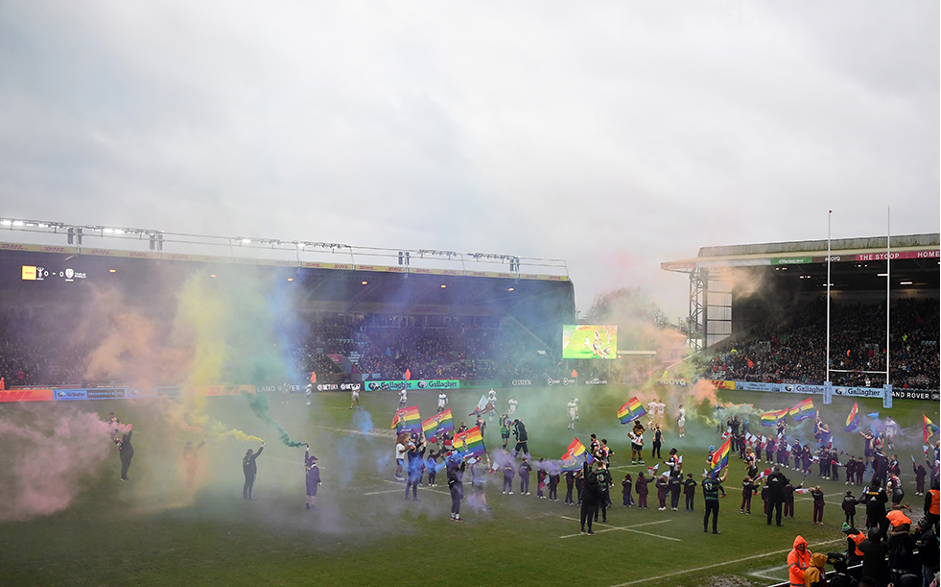
Partly in response to the Israel Folau comments the Gallagher Premiership got onboard with the campaign and in February 2020, Harlequins hosted the first annual Pride in Rugby match. The game was designed to be a celebration of diversity in rugby and an opportunity for the Club to demonstrate support for the LGBTQ+ community within the sports space and society at large. By hosting the game, Harlequins further signalled their commitment to making rugby an inclusive environment and that the Club welcomed supporters from all backgrounds. In addition to the Club’s matchday commitment, The Harlequins Foundation partnered with Monash University to conduct historic research into the prevalence of sexist and homophobic language in community rugby clubs. The study identified that most male rugby players (69%) had heard their team-mates using slurs such as ‘fag’ or ‘dyke’, while 42% of players admitted to using this language themselves. Promisingly, 69% of respondents wanted the language to stop, but many reported it was motivated by peer pressure, used to get a laugh out of others, or to just ‘fit in’. To stimulate discussion and promote an open dialogue on the role sport plays in driving societal change, the Club organised a pre-game panel on “Why should rugby care about LGBTQ+ inclusion?” which was livestreamed on Facebook ahead of the game.

LGBT+ RUGBY IN BERKSHIRE
Despite being the smallest rugby club county without any large cities, Berkshire has punched above its weight in terms of LGBT+ teams becoming the first county in the UK with two successful teams.

The Reading Renegades were formed in 2016 with much support from the local rugby community and Berkshire RFU. The team has played many friendlies both with other LGBT+ clubs and local clubs, even taking on the Vets team the Reading Rhino’s. The team also participates in the local O2 Touch League in Reading and had planned to join the IGR League in 2020/21 season before it was cancelled by Covid. The team currently trains on Tuesdays and Thursdays on Kings Meadow due to restrictions at their former home in Denefield School as they are not officially attached to a host club.
Berkshire Unicorns were also formed in 2016 initially training on the Long Walk in Windsor before finding a supportive home at Maidenhead RFC. As with the Renegades, Berkshire RFU provided a lot of support alongside Maidenhead and other local clubs, who came together to donate surplus equipment that helped training in the initial days. The Unicorns joined the IGR League in 2019 and finished 4thin their inaugural season. The Unicorns also take part in the Annual Hadrians cup tournament and constantly punch above their weight against much larger clubs, finishing 2nd in 2019 and 4th in 2020. The Unicorns also field a touch team which participates in the O2 Touch League in Maidenhead. Local business has been very supportive of LGBT+ rugby in Berkshire with the Blagrave Arms sponsoring the Renegades and Amdocs and Frucom sponsoring the Unicorns.

The clubs are strong supporters of LGBT+ causes supporting Reading Pride and HIV Awareness amongst other things and also supporters of local community initiatives, particularly around supporting kids participation in sport.
Both the Renegades and Unicorns recognise and support the wider initiatives to ensure that everyone has a rugby home. Players from the sides play for and support Didi Rugby, Ladies Rugby, Walking Rugby and lately the Mixed Ability Team the Berkshire Brigands. In addition their players have played in local teams and supported sides when they are short of players. This has been reciprocated by clubs such as Reading RFC, Maidenhead RFC and Farnham Royal RFC who have also fielded players when the Unicorns and Renegades have been short. This kind of interplay is very encouraging for the further progress of breaking down barriers, challenging stigma and increasing understanding across the participants of rugby at all levels.

LGBT+ HISTORY MONTH CONTINUES
As part of the LGBT+ History month we have taken the time to speak to several LGBT+ players and allies from different clubs to find out more about their pathway through rugby and experience of LGBT+ issues in the sport.
Look out for more celebration of these clubs players in the coming days as part of LGBT+ History Month and thanks to all those who have made contributions.